Introduction
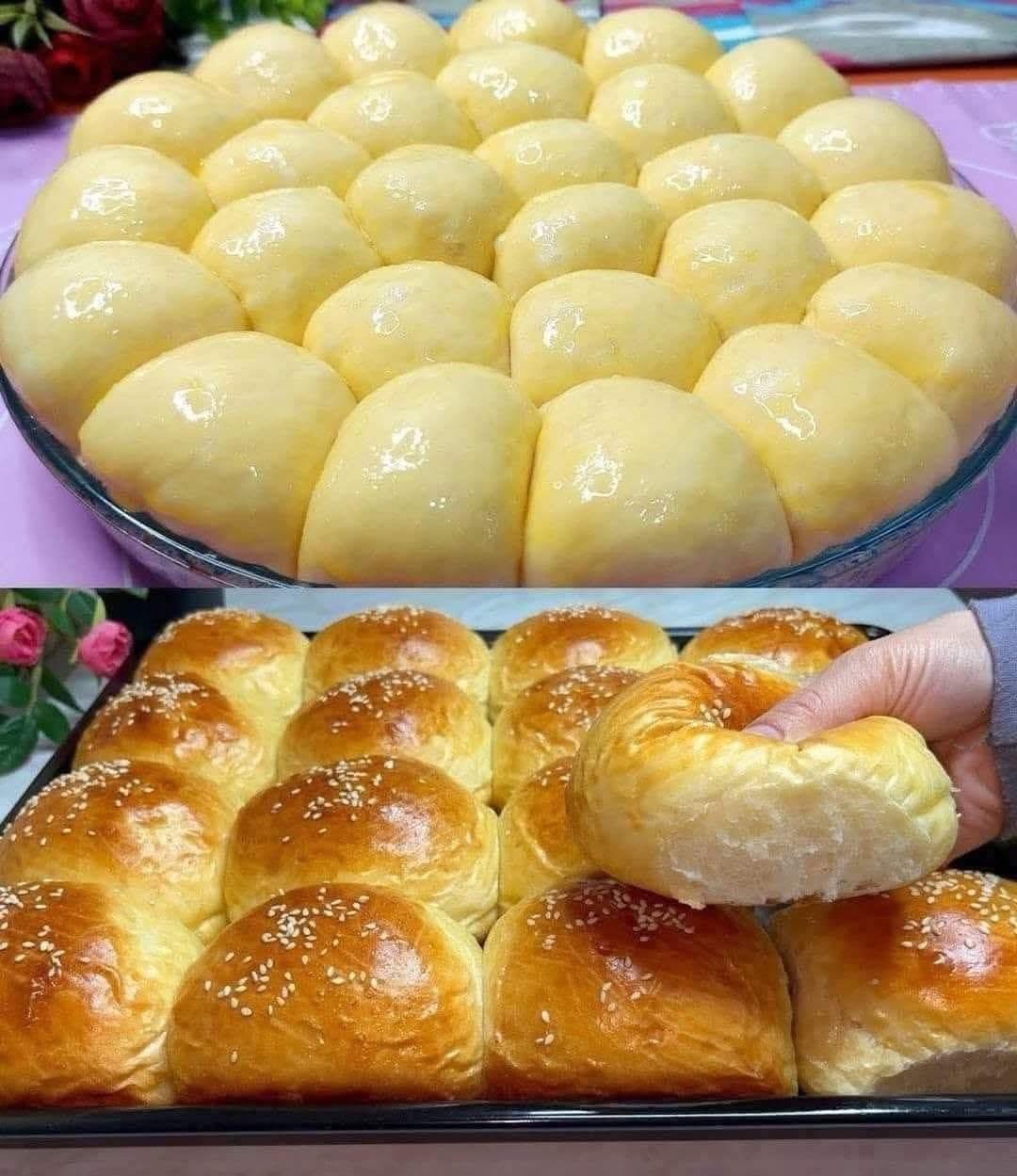
Milk brioche rolls are ultra-soft, slightly sweet, buttery bread rolls with a rich, tender crumb. They come from classic French brioche dough, known for its high egg and butter content, which creates a pillowy texture that feels almost like cake in bread form. These rolls are perfect for breakfast, sandwiches, or simply enjoying warm with butter and honey.
Ingredients
Dough
- 4 cups all-purpose flour
- 1 cup warm whole milk (about 110°F / 43°C)
- 2 large eggs (room temperature)
- 1/3 cup sugar
- 1 packet (7g) instant yeast
- 1 tsp salt
- 1/2 cup unsalted butter (softened)
Optional Finish
- 1 egg yolk + 1 tbsp milk (for egg wash)
- Melted butter for brushing after baking
Instructions
1. Activate the dough
In a bowl, mix warm milk, yeast, and a teaspoon of sugar. Let it sit for 5–10 minutes until foamy.
2. Make the dough
Add flour, sugar, salt, and eggs. Mix until a rough dough forms.
3. Add butter
Gradually knead in softened butter until fully absorbed. The dough will become smooth, elastic, and slightly sticky.
4. First rise
Cover and let rise for 1.5–2 hours, or until doubled in size.
5. Shape the rolls
Punch down dough, divide into equal pieces, and shape into smooth balls.
6. Second rise
Place on a baking tray, cover, and let rise again for 45–60 minutes.
7. Bake
Brush with egg wash and bake at 350°F (175°C) for 18–22 minutes, until golden brown.
8. Finish
Brush with melted butter for extra softness and shine.
Methods Explained
- Enriched dough method: Uses milk, eggs, and butter for a rich texture
- Two-stage fermentation: Improves flavor and fluffiness
- Egg wash baking: Gives a golden, bakery-style crust
- Butter finishing: Keeps rolls soft and aromatic
History
Brioche originated in France and dates back to at least the 15th century. It was considered a luxury bread because of its rich ingredients—especially butter and eggs, which were expensive at the time. Over time, brioche became a staple in French bakeries and evolved into many forms, including rolls, loaves, and buns used in both sweet and savory dishes.
Benefits
- High-energy bread due to eggs and butter
- Soft texture makes it easy to digest
- Versatile (breakfast, burgers, desserts)
- Homemade version avoids preservatives
- Freshly baked aroma improves appetite and comfort
Formation (Why it works)
The structure of brioche depends on gluten development + fat enrichment. Kneading builds elasticity, while butter coats gluten strands, making the crumb soft instead of chewy. The yeast creates air pockets that expand during baking, giving the rolls their signature fluffiness.
Serving Ideas
- With jam or honey for breakfast
- As mini sandwich buns
- With soup or stew
- Stuffed with cheese or chocolate
- Toasted with butter
Conclusion
Milk brioche rolls are a bakery-level treat you can easily make at home with simple ingredients. The result is soft, buttery, golden rolls that stay tender for hours and taste even better warm. Once you master this dough, it becomes a base for many other sweet and savory creations