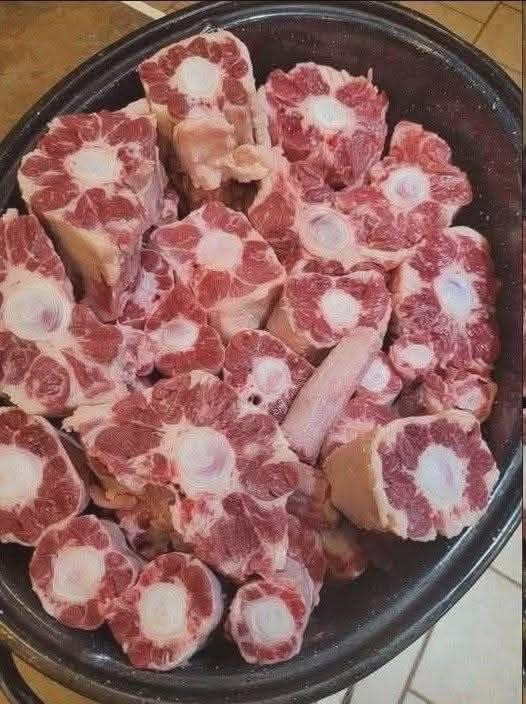
If it looks like this:
- Lean, red, no bone → likely beef steak (sirloin, round, or flank)
- Very fatty with marbling → ribeye or chuck
- Bone-in thick piece → could be beef rib, lamb chop, or pork chop
- Light pink meat → pork cut (loin, shoulder, chops)
- Small pieces / uneven cut → stew meat or trimmings
If you can, tell me:
- beef / lamb / pork / chicken
- bone-in or boneless
- thick or thin
- fatty or lean
I’ll identify it exactly.
🍽️ Universal Tasty Recipe (Works for Most Meat Cuts)
🧄 Introduction
This is a simple, flavorful pan-seared and oven-finished method that works for beef, pork, or lamb cuts. It creates a juicy inside with a golden, caramelized crust and rich garlic-herb flavor.
🧂 Ingredients
- 500g–1kg meat (any cut)
- 3 tbsp olive oil
- 3 cloves garlic (minced)
- 1 tsp salt
- 1 tsp black pepper
- 1 tsp paprika
- 1 tsp dried thyme or rosemary
- 1 tbsp butter
- Optional: lemon juice or vinegar splash
🔥 Instructions
1. Prepare the meat
Pat dry (important for browning). Season with salt, pepper, paprika, and herbs.
2. Sear
Heat oil in a pan. Sear meat 2–4 minutes per side until golden brown.
3. Add flavor
Add butter and garlic. Spoon melted butter over the meat.
4. Finish cooking
- Thin cuts: finish in pan 5–10 min
- Thick cuts: bake at 180°C for 10–25 min depending on size
5. Rest
Let it rest 5–10 minutes before slicing.
👨🍳 Methods Explained
- Searing: locks in juices and builds flavor crust
- Basting: butter + garlic enhances richness
- Resting: keeps meat juicy by redistributing juices
- Oven finish: ensures even cooking for thick cuts
📜 History
Pan-searing meat is one of the oldest cooking techniques, used in many cultures to preserve flavor and moisture. French cuisine later refined it with butter basting, which became a global standard in steak and roast preparation.
💪 Benefits
- High in protein
- Rich in iron and zinc (especially red meat)
- Supports muscle growth
- Energy-dense and satisfying meal
🧩 Formation (Why it works)
Heat causes the Maillard reaction, which browns the surface and creates deep flavor. Fat (oil + butter) carries flavor compounds and keeps the meat tender.
🍴 Serving Ideas
- Mashed potatoes
- Rice or couscous
- Grilled vegetables
- Fresh salad
- Garlic bread
❤️ Conclusion
Even if you’re unsure of the exact cut, this method gives you a safe, flavorful way to cook almost any meat beautifully. Once you identify the cut, I can refine the recipe for perfect doneness and texture.