Introduction
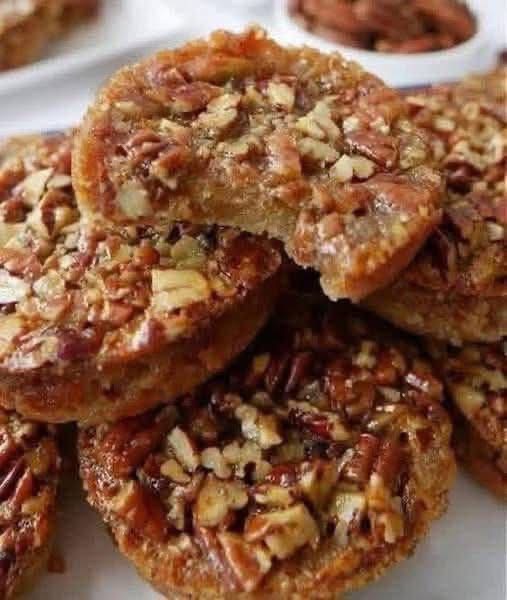
Pecan Sandies are classic buttery cookies known for their delicate crumbly texture, rich butter flavor, and generous amount of toasted pecans. The name “Sandies” refers to their sandy, tender texture: they are crisp around the edges but wonderfully delicate when you bite into them.
These cookies are simple enough for everyday baking but elegant enough for holidays, afternoon tea, cookie exchanges, parties, and homemade gifts.
This recipe makes approximately 30–36 cookies.
Ingredients
For the Cookie Dough
- 225 g (1 cup) unsalted butter, softened
- 150 g (¾ cup) granulated sugar
- 50 g (¼ cup) light brown sugar
- 1 large egg yolk
- 2 teaspoons pure vanilla extract
- 280 g (2¼ cups) all-purpose flour
- ½ teaspoon baking powder
- ¼ teaspoon salt
- 150 g (1½ cups) finely chopped pecans
- 1 tablespoon milk, only if needed
For the Pecan Flavor
- ½ teaspoon ground cinnamon, optional
- ¼ teaspoon nutmeg, optional
- 1 teaspoon finely grated orange zest, optional
For Finishing
- 2–3 tablespoons granulated sugar
- 30–36 pecan halves, optional
- A small pinch of flaky sea salt, optional
Instructions
1. Toast the Pecans
Preheat the oven to 175°C (350°F).
Spread the pecans on a baking tray.
Toast them for approximately 6–8 minutes, stirring once halfway through.
Watch them carefully because nuts can burn quickly.
Remove them from the oven and allow them to cool completely.
Toasting the pecans enhances their natural oils and gives the cookies a deeper, nuttier flavor.
2. Prepare the Butter
Place the softened butter in a large mixing bowl.
Beat the butter for approximately 1–2 minutes until smooth and creamy.
Do not melt the butter. Softened butter is important because it helps create the correct cookie texture.
3. Add the Sugars
Add the granulated sugar and brown sugar.
Beat together until the mixture becomes light and creamy.
This process incorporates some air into the butter and helps distribute the sugar evenly.
4. Add the Egg Yolk
Add the egg yolk and vanilla extract.
Mix until completely combined.
The egg yolk contributes richness and tenderness without adding as much moisture as a whole egg.
5. Prepare the Dry Ingredients
In a separate bowl, whisk together:
- Flour
- Baking powder
- Salt
- Cinnamon, if using
- Nutmeg, if using
Mix thoroughly.
6. Combine the Dough
Gradually add the dry ingredients to the butter mixture.
Mix on low speed or stir gently with a wooden spoon.
Do not overmix.
When the dough is almost combined, add the chopped toasted pecans.
Mix just until evenly distributed.
If the dough seems unusually dry and does not hold together when pressed, add 1 tablespoon of milk.
7. Chill the Dough
Gather the dough together and form it into a ball.
Wrap it in food-safe plastic wrap or place it in a covered container.
Refrigerate for approximately 30–60 minutes.
Chilling makes the dough easier to handle and helps prevent excessive spreading during baking.
8. Shape the Cookies
Remove the dough from the refrigerator.
Divide it into small portions, approximately 25–30 g each.
Roll each portion gently into a ball.
Place the balls on a parchment-lined baking sheet, leaving approximately 5 cm (2 inches) between them.
Flatten each cookie gently with your fingers or the bottom of a glass.
If desired, press a pecan half into the center.
9. Add the Sugar
Sprinkle the tops lightly with granulated sugar.
For a slightly more sophisticated flavor, add a tiny pinch of flaky sea salt.
10. Bake
Bake the cookies at 175°C (350°F) for approximately 12–16 minutes.
The edges should become lightly golden while the centers remain relatively pale.
Do not overbake them.
The cookies will become firmer as they cool.
11. Cool the Cookies
Remove the baking tray from the oven.
Allow the cookies to rest on the tray for approximately 5 minutes.
Then transfer them carefully to a wire rack.
Allow them to cool completely before storing.
Methods
Creaming Method
The butter and sugars are beaten together before the remaining ingredients are incorporated.
This creates a smooth, rich cookie dough and contributes to the delicate texture.
Short-Dough Method
Pecan Sandies are closely related to buttery short-style cookies. The relatively high proportion of butter and flour gives them their characteristic tender, crumbly texture.
Toasting Method
Toasting the pecans before adding them to the dough intensifies their flavor and aroma.
Chilling Method
Chilling the dough allows the butter to firm up and makes the cookies easier to shape. It can also help control spreading in the oven.
Baking Method
The cookies are baked until the edges are lightly golden. They should remain tender inside rather than becoming hard or dark.
History of Pecan Sandies
Pecan Sandies belong to a broad family of buttery, crumbly cookies found throughout American baking traditions.
The word “sandy” describes a texture rather than a specific ingredient. Similar names have been used for delicate cookies that crumble easily and have a fine, sandy texture.
Pecans are particularly associated with the southern United States, where pecan trees have been cultivated for generations. Their rich, buttery flavor makes them a natural companion to shortbread-style cookies.
Over time, pecan cookies became popular in American home baking and commercial bakeries, with many families developing their own versions.
Benefits
Pecan Sandies are an indulgent baked treat rather than a health food, but their ingredients do provide some nutritional value.
Pecans
Pecans contain:
- Unsaturated fats
- Plant protein
- Dietary fiber
- Magnesium
- Copper
- Manganese
- Antioxidant compounds
Butter
Butter contributes fat and fat-soluble vitamins, although it is also high in saturated fat.
Homemade Ingredients
Making cookies at home allows you to control:
- The amount of sugar
- The type of butter
- The quality of the pecans
- The size of each cookie
- Optional flavorings
Because these cookies contain butter and sugar, they are best enjoyed in moderate portions as part of a balanced diet.
Formation of the Cookie
The final texture of a Pecan Sandie comes from the interaction of several ingredients.
Butter
Butter provides richness and tenderness.
Flour
Flour supplies the main structure.
Sugar
Sugar contributes sweetness, browning, and crispness.
Egg Yolk
The yolk contributes richness and helps bind the dough.
Pecans
Chopped pecans provide texture, flavor, and a pleasant nutty crunch.
Heat
During baking, the butter melts, the dough spreads slightly, and the flour and egg proteins help establish the cookie’s final structure.
As the cookie cools, the butter firms again and the crumb becomes wonderfully crisp and crumbly.
Tips for Perfect Pecan Sandies
Use Softened Butter
Butter should be soft enough to mix easily but should not be melted.
Toast the Pecans
This small extra step makes a significant difference in flavor.
Do Not Overmix
Overworking the dough can make the cookies less tender.
Chill the Dough
Chilling helps with shaping and can reduce excessive spreading.
Watch the Baking Time
Pecan Sandies should generally be lightly golden rather than deeply browned.
Let Them Cool
The cookies become more delicate and crisp as they cool.
Variations
Chocolate Pecan Sandies
Replace 2 tablespoons of flour with unsweetened cocoa powder.
Add 75 g of finely chopped dark chocolate.
Maple Pecan Sandies
Replace part of the brown sugar with maple sugar or add 1 teaspoon of maple extract.
Cinnamon Pecan Sandies
Add 1 teaspoon of cinnamon and a pinch of nutmeg.
Orange Pecan Sandies
Add 1–2 teaspoons of finely grated orange zest.
Orange and pecan make an especially delicious combination.
Salted Pecan Sandies
Sprinkle a tiny amount of flaky sea salt over the cookies before baking.
Coconut Pecan Sandies
Add 50 g of unsweetened shredded coconut along with the pecans.
Serving Suggestions
Pecan Sandies are delicious with:
- Coffee
- Tea
- Hot chocolate
- Milk
- Vanilla ice cream
- Fresh berries
- Whipped cream
They also make lovely additions to a holiday cookie platter.
Storage
Once completely cool, place the cookies in an airtight container.
They can generally be kept at room temperature for approximately 5–7 days while maintaining good quality.
For longer storage, the baked cookies can be frozen in an airtight freezer-safe container.
You can also freeze the shaped, unbaked dough and bake it later.
Pecan Sandies Lovers
These cookies are perfect for people who love:
- Buttery cookies
- Shortbread
- Pecans and other nuts
- Crisp edges
- Tender centers
- Old-fashioned baking
- Afternoon tea
- Homemade holiday cookies
- Simple desserts
- Nutty flavors
They are particularly appealing to anyone who prefers a cookie that is rich and buttery without being overly soft or cakey.
Presentation Ideas
For an elegant presentation, arrange the cookies on a large serving platter.
Place a whole pecan in the center of each cookie before baking.
For a festive appearance, lightly dust the cooled cookies with powdered sugar.
You can also dip half of each cookie in melted dark or white chocolate and allow the chocolate to set.
Conclusion
Pecan Sandies are a classic buttery cookie with a wonderfully delicate, crumbly texture and deep toasted pecan flavor.
The combination of softened butter, sugar, flour, egg yolk, vanilla, and toasted pecans creates a simple dough that transforms into golden, tender cookies in the oven.
The key to making them perfectly buttery, crumbly, and nutty is to use softened—not melted—butter, toast the pecans, avoid overmixing, chill the dough, and remove the cookies from the oven when the edges are just beginning to turn golden.