Introduction
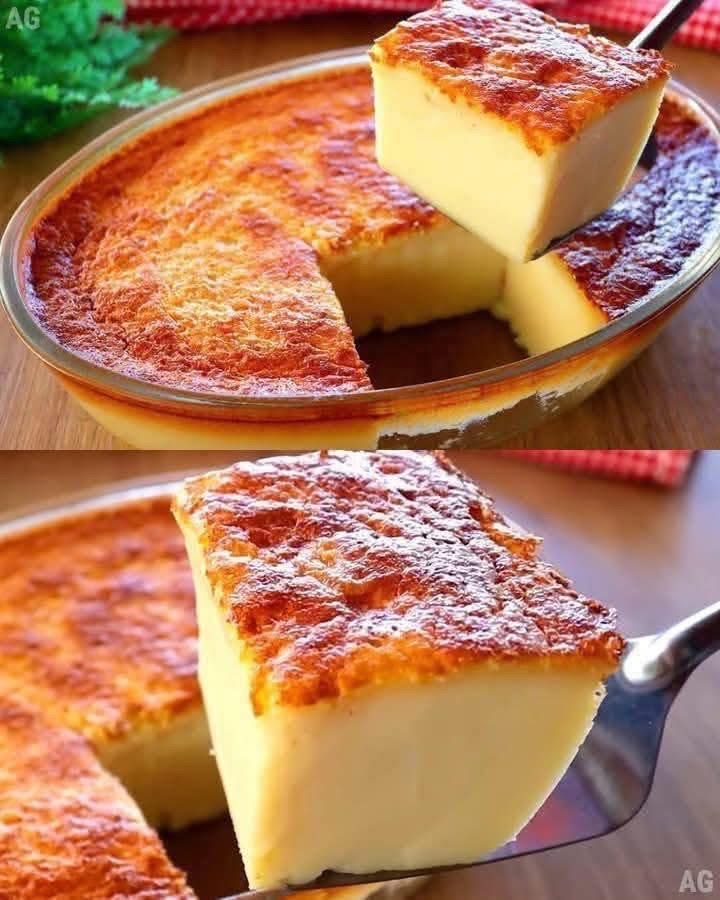
Creamy Milk Cake is a rich, soft, and delicious dessert made primarily from milk, sugar, and a few simple ingredients. Known for its melt-in-the-mouth texture and beautiful caramelized flavor, this traditional sweet is loved by people of all ages. Whether served during festivals, family gatherings, celebrations, or simply as an afternoon treat, creamy milk cake brings comfort and sweetness to every occasion.
The secret behind a perfect milk cake is the slow cooking process, which allows the milk to reduce gradually and develop its signature creamy texture and rich taste. Its golden color and soft, grainy consistency make it one of the most cherished milk-based desserts.
History of Creamy Milk Cake
Milk cake has a long history in South Asian cuisine and is believed to have originated in northern regions where dairy farming was common. For centuries, milk has been transformed into various sweets as a way to preserve its richness and create festive desserts.
Traditional sweet makers would slowly simmer fresh milk for hours until it thickened naturally. Over time, the recipe evolved into the creamy milk cake we know today. It became especially popular during weddings, religious festivals, and family celebrations because of its luxurious taste and long shelf life.
Today, milk cake remains a beloved dessert enjoyed across many countries and cultures.
Ingredients
Main Ingredients
- 2 liters full-fat milk
- 1½ cups sugar
- 2 tablespoons lemon juice
- 2 tablespoons water
Optional Ingredients
- ½ teaspoon cardamom powder
- 1 tablespoon chopped pistachios
- 1 tablespoon chopped almonds
- A few saffron strands
- 1 teaspoon rose water
Equipment Needed
- Heavy-bottomed pan
- Wooden spoon
- Mixing bowl
- Measuring cups
- Square or rectangular tray
- Knife for cutting
Preparation Method
Step 1: Prepare the Milk
Pour the milk into a heavy-bottomed pan and bring it to a gentle boil over medium heat.
Step 2: Curdle the Milk
Mix lemon juice with water and add it gradually to the milk while stirring gently. The milk will begin to curdle slightly.
Step 3: Continue Cooking
Reduce the heat and continue cooking while stirring frequently. Allow the milk solids and liquid to combine into a thick mixture.
Step 4: Add Sugar
Add sugar and stir continuously. The mixture will become glossy and thick.
Step 5: Flavoring
Add cardamom powder, saffron, or rose water if desired.
Step 6: Set the Cake
Transfer the mixture into a greased tray and press gently to level the surface.
Step 7: Rest
Allow it to cool completely for several hours before cutting into squares.
Detailed Instructions
- Heat milk in a large pan.
- Stir occasionally to prevent burning.
- Add diluted lemon juice.
- Continue simmering until the mixture thickens.
- Add sugar and mix thoroughly.
- Cook until the mixture leaves the sides of the pan.
- Add flavorings if using.
- Pour into a prepared tray.
- Smooth the top with a spatula.
- Allow to cool and set.
- Garnish with nuts.
- Slice into desired shapes.
Formation of Creamy Milk Cake
The formation of milk cake occurs through a gradual transformation process:
Milk Reduction
The milk slowly evaporates, concentrating proteins, fats, and natural sugars.
Curdling Stage
A small amount of acid causes slight separation, creating the signature grainy texture.
Caramelization
As cooking continues, sugars begin to caramelize, producing the characteristic golden color.
Thickening
The mixture thickens into a dense yet creamy consistency.
Setting
After cooling, the dessert firms up into soft, sliceable pieces.
Benefits of Creamy Milk Cake
1. Rich in Calcium
Milk provides calcium, which supports healthy bones and teeth.
2. Good Source of Protein
Contains milk proteins that contribute to muscle maintenance.
3. Energy Boosting
Provides carbohydrates and fats that offer quick energy.
4. Festive Dessert
Ideal for celebrations and special occasions.
5. Simple Ingredients
Requires only a few pantry staples.
6. Customizable
Can be flavored with nuts, spices, or floral essences.
Different Methods of Preparation
Traditional Stovetop Method
Cook the milk slowly for several hours until thickened and creamy.
Advantages
- Rich flavor
- Authentic texture
- Traditional appearance
Quick Condensed Milk Method
Use condensed milk along with regular milk to reduce cooking time.
Advantages
- Faster preparation
- Consistent sweetness
- Convenient
Pressure Cooker Method
Use a pressure cooker for initial milk reduction before finishing on the stovetop.
Advantages
- Time-saving
- Efficient
Bakery-Style Method
Add milk powder for a richer texture and smoother finish.
Advantages
- Extra creaminess
- Professional appearance
Why Dessert Lovers Adore Creamy Milk Cake
Milk cake has a devoted fan base because:
- It melts in the mouth.
- It has a rich dairy flavor.
- The caramelized notes enhance sweetness.
- It feels luxurious despite simple ingredients.
- It pairs perfectly with tea and coffee.
- It brings back childhood memories for many people.
- It is suitable for festivals and celebrations.
- Its texture is both soft and slightly grainy.
Sweet lovers often describe milk cake as one of the most comforting traditional desserts ever created.
Serving Suggestions
Serve milk cake:
- With hot tea
- With coffee
- Alongside fresh fruit
- During festive gatherings
- As a dinner dessert
- At weddings and celebrations
For an elegant presentation, garnish with pistachios, almonds, saffron, or edible silver leaf.
Storage Tips
- Store in an airtight container.
- Refrigerate for up to 7 days.
- Bring to room temperature before serving for the best texture.
- Avoid excessive moisture.
Conclusion
Creamy Milk Cake is a timeless dessert that transforms simple milk and sugar into a luxurious sweet treat. Its rich flavor, soft texture, and beautiful golden appearance have made it a favorite for generations. Whether prepared using traditional slow-cooking techniques or modern shortcuts, milk cake remains a symbol of celebration, comfort, and homemade goodness.
For dessert lovers, few sweets can match the creamy richness and nostalgic charm of a perfectly made milk cake. Every bite offers a wonderful balance of sweetness, creaminess, and tradition, making it a treasured recipe that continues to delight families around the world.