Introduction
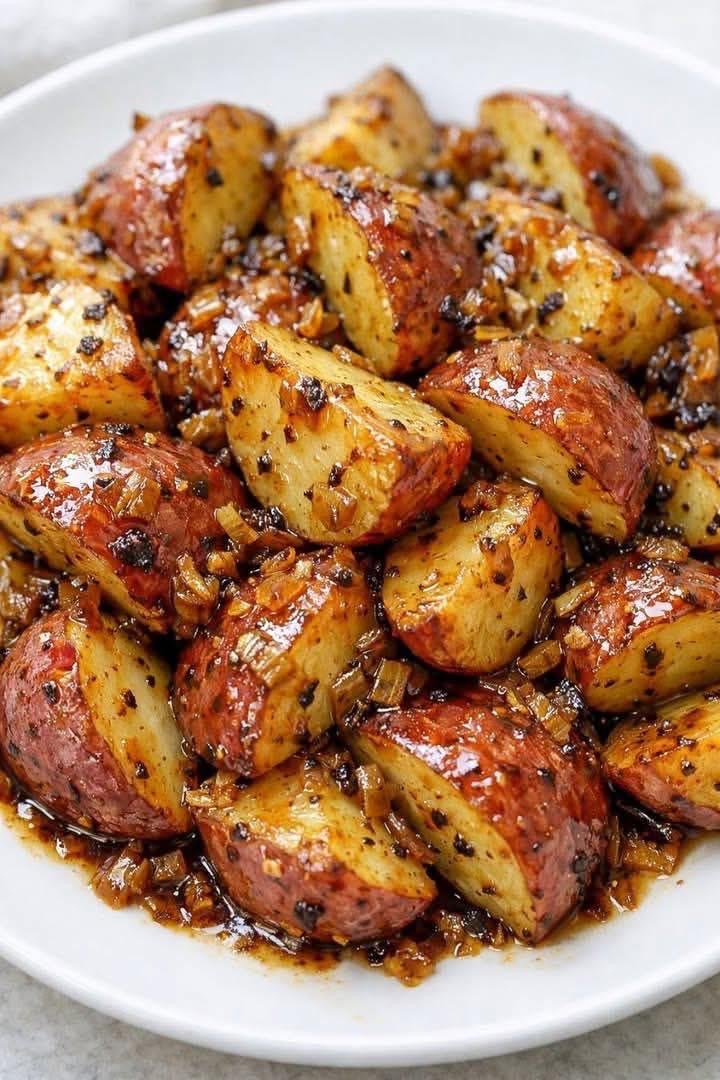
Slow Cooker Onion is a comforting, flavorful dish that transforms simple onions into a rich, sweet, and aromatic meal component. Slow cooking allows onions to caramelize gradually, developing deep flavors that can be enjoyed as a side dish, topping, soup base, or ingredient in numerous recipes. This method requires minimal effort while delivering maximum taste, making it a favorite among home cooks and food enthusiasts.
History of Slow-Cooked Onions
Onions have been cultivated for over 5,000 years and are among the oldest vegetables used in cooking. Ancient civilizations in Egypt, Greece, and Rome valued onions for their flavor and medicinal properties.
The technique of slowly cooking onions evolved over centuries as cooks discovered that low heat could transform sharp, pungent onions into sweet, golden delicacies. With the invention of electric slow cookers in the 20th century, preparing caramelized onions became easier and more convenient, allowing cooks to achieve restaurant-quality results with little supervision.
Ingredients
Main Ingredients
- 8 large yellow onions, thinly sliced
- 4 tablespoons unsalted butter
- 2 tablespoons olive oil
- 1 teaspoon salt
- ½ teaspoon black pepper
- 1 teaspoon brown sugar (optional)
- 2 cloves garlic, minced (optional)
- 1 teaspoon fresh thyme leaves
- 2 bay leaves
Optional Additions
- ¼ cup balsamic vinegar
- ½ cup beef broth
- ½ cup white wine
- Fresh parsley for garnish
Equipment Needed
- Slow cooker (4–6 quart capacity)
- Sharp knife
- Cutting board
- Wooden spoon
- Measuring spoons
Preparation Method
Step 1: Prepare the Onions
- Peel all onions.
- Slice them into thin, even strips.
- Separate the slices gently.
Step 2: Add Ingredients
- Place sliced onions into the slow cooker.
- Add butter and olive oil.
- Sprinkle with salt and pepper.
- Add garlic, thyme, and bay leaves.
- Mix thoroughly.
Step 3: Slow Cook
- Cover with the lid.
- Cook on LOW for 8–10 hours.
- Stir every few hours if possible.
Step 4: Final Caramelization
- Remove the lid during the last hour.
- Allow excess moisture to evaporate.
- Stir occasionally until onions become golden brown.
Step 5: Serve
Remove bay leaves and serve warm.
Cooking Instructions
Low Setting Method
- Temperature: Low
- Time: 8–10 hours
- Result: Deeply caramelized, sweet onions
High Setting Method
- Temperature: High
- Time: 4–5 hours
- Result: Faster cooking with slightly less depth of flavor
Formation of Flavor
One of the most fascinating aspects of slow-cooked onions is flavor formation.
What Happens During Cooking?
- Moisture Release
- Onions are approximately 89% water.
- Slow heat gradually releases moisture.
- Sugar Concentration
- Natural sugars become concentrated.
- Caramelization
- Sugars slowly brown.
- Sweet, nutty flavors develop.
- Flavor Enhancement
- Butter and herbs enrich the taste.
- Long cooking creates complexity.
The result is a silky texture and rich golden color.
Nutritional Benefits
Rich in Antioxidants
Onions contain compounds that help protect cells from oxidative stress.
Supports Heart Health
They contain beneficial plant compounds that may support cardiovascular wellness.
Source of Vitamins
Onions provide:
- Vitamin C
- Vitamin B6
- Folate
- Potassium
Digestive Support
They contain prebiotic fibers that help support healthy gut bacteria.
Low-Calorie Food
A serving of onions is naturally low in calories while adding substantial flavor.
Serving Ideas
Slow-cooked onions can be used in many ways:
- On burgers
- With grilled steak
- Mixed into pasta
- On pizza
- In sandwiches
- As a soup base
- Over mashed potatoes
- In omelets
- With roasted vegetables
- In rice dishes
Alternative Methods
Method 1: Classic Slow Cooker
The traditional low-and-slow approach producing maximum sweetness.
Method 2: Slow Cooker with Balsamic Vinegar
Add balsamic vinegar for a slightly tangy flavor.
Method 3: French Onion Style
Add beef broth and thyme for flavors similar to French onion soup.
Method 4: Herb-Infused Version
Include rosemary, sage, and thyme for a more aromatic profile.
Method 5: Sweet Onion Version
Use sweet onions such as Vidalia-type onions for extra sweetness.
Why Food Lovers Enjoy Slow-Cooked Onions
Food lovers appreciate slow-cooked onions because they offer:
- Rich caramelized flavor
- Soft, silky texture
- Versatility in recipes
- Simple ingredients
- Budget-friendly preparation
- Excellent meal-prep potential
Professional chefs often use caramelized onions to add depth and complexity to dishes.
Tips for Best Results
- Use yellow onions for balanced flavor.
- Do not overfill the slow cooker.
- Stir occasionally if possible.
- Leave the lid slightly open during the final hour.
- Store leftovers in airtight containers.
- Freeze portions for future use.
Storage and Reheating
Refrigeration
- Store for up to 5 days.
Freezing
- Freeze for up to 3 months.
Reheating
- Microwave for 1–2 minutes.
- Reheat gently on the stovetop.
- Add a small amount of water if needed.
Conclusion
Slow Cooker Onion is a simple yet remarkably flavorful preparation that turns an everyday vegetable into a gourmet ingredient. Through slow cooking, onions develop sweetness, richness, and complexity that can enhance countless dishes. Whether used in soups, sandwiches, pasta, or served as a side, slow-cooked onions offer convenience, versatility, nutritional benefits, and exceptional taste. Their long history, rich flavor formation, and popularity among food lovers make them a timeless favorite in kitchens around the world.
For Onion Lovers
If you love onions, this recipe is a celebration of their natural sweetness and depth. The slow cooker does most of the work, creating beautifully caramelized onions that can elevate nearly any meal. From casual family dinners to elegant dishes, slow-cooked onions remain one of the most beloved and rewarding ingredients in cooking.