Introduction
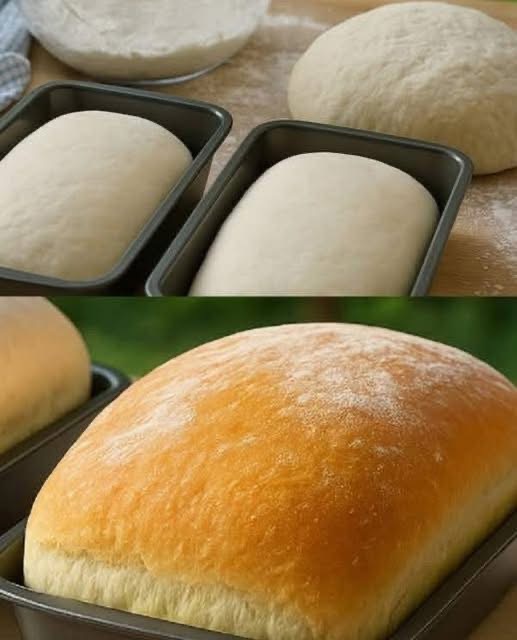
There is something special about homemade white bread. The aroma of freshly baked bread filling the kitchen, the golden crust, and the soft, fluffy interior create a comforting experience that store-bought bread rarely matches. White bread from scratch has been a staple food for generations, valued for its simplicity, versatility, and delicious flavor. Whether used for sandwiches, toast, French toast, or enjoyed with butter, homemade white bread remains one of the most beloved breads in the world.
This recipe produces a tender crumb, a beautiful golden crust, and a rich flavor that makes every slice memorable. Even beginner bakers can achieve bakery-quality results by following the steps carefully.
History of White Bread
Bread is one of humanity’s oldest prepared foods, dating back more than 10,000 years. Ancient civilizations in regions such as Egypt, Mesopotamia, and Greece developed techniques for grinding grain and baking bread.
White bread became especially popular during the 19th and 20th centuries when refined flour became widely available. Because white flour was considered purer and more refined, white bread became a symbol of quality and prosperity in many countries.
Today, homemade white bread continues to be treasured for its soft texture, mild flavor, and ability to complement a wide variety of meals.
Recipe Information
Yield
2 standard loaves
Preparation Time
25 minutes
Rising Time
1 hour 30 minutes to 2 hours
Baking Time
30–35 minutes
Total Time
Approximately 3 hours
Difficulty Level
Beginner to Intermediate
Ingredients
Main Dough
- 6 cups (750 g) bread flour or all-purpose flour
- 2¼ teaspoons active dry yeast (1 packet)
- 2 cups warm water (110°F/43°C)
- ¼ cup granulated sugar
- 2 teaspoons salt
- ¼ cup unsalted butter, softened
- 2 tablespoons vegetable oil
Optional Egg Wash
- 1 egg
- 1 tablespoon water
Optional Topping
- Melted butter for brushing
Equipment Needed
- Large mixing bowl
- Measuring cups and spoons
- Dough scraper
- Loaf pans (9×5 inch)
- Kitchen towel
- Cooling rack
Understanding the Formation of Bread
Bread formation is a fascinating process that transforms simple ingredients into a light and airy loaf.
Flour
Flour provides the structure of the bread. Proteins in flour form gluten when mixed with water.
Water
Water hydrates the flour and activates the yeast.
Yeast
Yeast consumes sugars and releases carbon dioxide gas, creating air pockets that make bread rise.
Sugar
Sugar feeds the yeast and adds slight sweetness.
Salt
Salt strengthens gluten and enhances flavor.
Butter and Oil
Fats make the bread softer and extend freshness.
Gluten Development
Kneading creates gluten strands that trap gas bubbles, resulting in a fluffy texture.
Method 1: Traditional Hand-Kneaded White Bread
Step 1: Activate the Yeast
- Pour warm water into a large bowl.
- Add sugar and yeast.
- Stir gently.
- Allow to sit for 5–10 minutes.
- The mixture should become foamy.
Step 2: Prepare the Dough
- Add softened butter, oil, and salt.
- Stir well.
- Add flour one cup at a time.
- Mix until a shaggy dough forms.
Step 3: Knead the Dough
- Transfer dough onto a lightly floured surface.
- Knead for 8–10 minutes.
- Continue until smooth and elastic.
Signs of properly kneaded dough:
- Smooth texture
- Elastic feel
- Slightly tacky but not sticky
Step 4: First Rise
- Place dough in a lightly greased bowl.
- Turn once to coat.
- Cover with a towel.
- Allow to rise for 60–90 minutes.
The dough should double in size.
Step 5: Shape the Loaves
- Punch down the risen dough.
- Divide into two equal portions.
- Flatten each portion into a rectangle.
- Roll tightly into loaf shapes.
- Place into greased loaf pans.
Step 6: Second Rise
- Cover loaf pans.
- Allow dough to rise for 30–45 minutes.
- Dough should rise about 1 inch above the pan rim.
Step 7: Bake
- Preheat oven to 375°F (190°C).
- Brush tops with egg wash if desired.
- Bake for 30–35 minutes.
- Bread should be golden brown.
Step 8: Cool
- Remove from pans immediately.
- Place on cooling rack.
- Cool completely before slicing.
Method 2: Soft Bakery-Style White Bread
For extra softness:
Additional Ingredients
- ¼ cup milk powder
- 2 tablespoons honey
Instructions
- Add milk powder with the flour.
- Replace some sugar with honey.
- Follow the standard method.
- Brush loaves with melted butter after baking.
Result:
- Softer crumb
- Richer flavor
- Longer freshness
Method 3: Bread Machine Version
Instructions
- Add liquids first.
- Add dry ingredients.
- Place yeast last.
- Select basic white bread setting.
- Allow machine to complete the cycle.
This method requires minimal effort while producing excellent results.
Benefits of Homemade White Bread
Nutritional Benefits
Energy Source
White bread provides carbohydrates that fuel daily activities.
Protein Content
Flour contributes plant-based protein.
Controlled Ingredients
Homemade bread allows you to avoid unnecessary preservatives and additives.
Freshness
Fresh bread tastes better and contains fewer artificial ingredients.
Cost Effective
Making bread at home is often less expensive than purchasing premium bakery loaves.
Baking Science Behind Perfect White Bread
Yeast Fermentation
Yeast produces carbon dioxide gas that expands during proofing and baking.
Oven Spring
The final burst of rising that occurs during the first minutes of baking.
Crust Formation
Heat causes sugars and proteins to brown, creating flavor and color.
Moisture Retention
Butter and oil help keep the loaf soft for several days.
Expert Tips for Success
- Use fresh yeast.
- Measure flour accurately.
- Avoid overly hot water.
- Knead thoroughly.
- Allow proper rising time.
- Do not rush fermentation.
- Bake until golden brown.
- Cool before slicing.
Common Mistakes to Avoid
Dense Bread
Usually caused by insufficient kneading or under-rising.
Dry Bread
Often caused by too much flour.
Flat Loaf
Can result from expired yeast.
Tough Crust
May occur from overbaking.
Serving Ideas
Homemade white bread is perfect for:
- Sandwiches
- Toast
- Garlic bread
- French toast
- Bread pudding
- Grilled cheese sandwiches
- Breakfast toast with jam
- Soup accompaniment
Why Bread Lovers Adore Homemade White Bread
Home Bakers
They enjoy the rewarding process of creating bread from scratch.
Families
Fresh bread brings comfort and tradition to the table.
Sandwich Enthusiasts
The soft texture is ideal for sandwiches.
Breakfast Lovers
Perfect for toast, butter, honey, and preserves.
Food Enthusiasts
They appreciate the superior flavor and aroma compared to commercial bread.
Storage Methods
Room Temperature
- Store in a bread box or sealed bag.
- Keeps fresh for 3–4 days.
Refrigerator
- Not generally recommended because it can dry out bread.
Freezer
- Wrap tightly.
- Freeze for up to 3 months.
- Thaw at room temperature.
Conclusion
The Best White Bread from Scratch is a timeless recipe that transforms simple pantry ingredients into a delicious homemade loaf. With its soft interior, golden crust, and wonderful aroma, this bread is suitable for everyday meals, special occasions, and family gatherings. The combination of careful kneading, proper rising, and patient baking results in a loaf that rivals professional bakeries.
A Favorite Among Bread Lovers
Bread lovers cherish homemade white bread because it represents comfort, tradition, and craftsmanship. From its warm fragrance emerging from the oven to the first buttery slice enjoyed fresh, every loaf tells a story of simple ingredients transformed through skill and patience. Whether you are a beginner baker or an experienced bread maker, this classic white bread recipe is sure to become a treasured favorite in your kitchen for years to come