Introduction
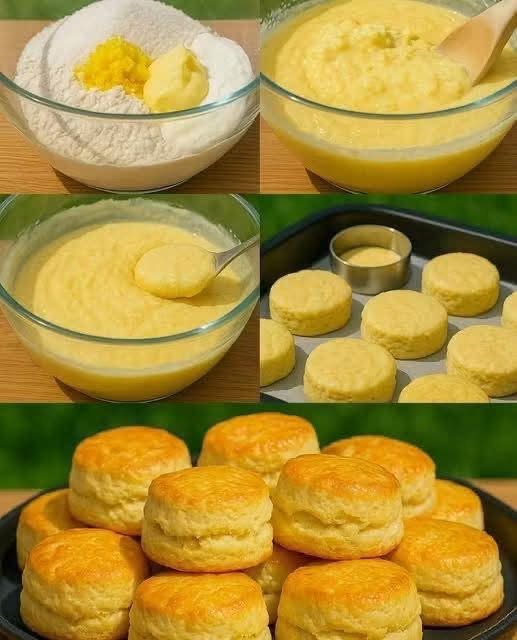
Few homemade foods are as comforting as a basket of warm, freshly baked Classic Buttery Biscuits. Golden on the outside, tender and fluffy inside, and rich with buttery flavor, these biscuits are simple enough for an ordinary breakfast yet special enough for a holiday table.
They are delicious served warm with butter, honey, jam, or gravy, and they make a wonderful accompaniment to soups, stews, fried chicken, and roasted meals.
This classic recipe focuses on creating biscuits that are light, flaky, tender, and beautifully golden.
Ingredients
For the Biscuits
- 2 cups all-purpose flour
- 1 tablespoon baking powder
- 1 teaspoon salt
- 1 tablespoon granulated sugar
- 1/2 cup cold unsalted butter
- 3/4 cup cold buttermilk
For the Top
- 1–2 tablespoons melted butter
Optional Ingredients
For additional flavor, you can add:
- 1/2 teaspoon garlic powder
- 1 tablespoon chopped fresh parsley
- 1/2 teaspoon dried thyme
- 1/2 cup shredded cheddar cheese
- A pinch of black pepper
Instructions
1. Prepare the Oven
Preheat your oven to 425°F (220°C).
Line a baking sheet with parchment paper or lightly grease it.
A hot oven is important because the biscuits need a strong burst of heat to rise properly.
2. Combine the Dry Ingredients
In a large mixing bowl, combine:
- Flour
- Baking powder
- Salt
- Sugar
Whisk everything together until evenly distributed.
This ensures that the baking powder and salt are spread throughout the flour.
3. Add the Cold Butter
Cut the cold butter into small cubes.
Add the butter to the flour mixture.
Using a pastry cutter, two knives, or your fingertips, work the butter into the flour.
Stop when the mixture resembles coarse crumbs with some small pieces of butter still visible.
Why keep pieces of butter?
Those little pieces of cold butter melt during baking and create pockets of steam.
Those pockets help produce a flaky, tender biscuit.
4. Add the Buttermilk
Make a small well in the center of the flour mixture.
Pour in the cold buttermilk.
Use a wooden spoon or spatula to gently combine everything.
Mix only until the dough comes together.
Do not overmix.
The dough should look slightly rough rather than perfectly smooth.
Formation Method
Lightly flour a clean work surface.
Turn the dough onto the surface.
Gently press it into a thick rectangle.
Avoid kneading it like bread dough.
Instead, fold the dough over itself several times.
This creates layers that will become flaky during baking.
Folding Method
Gently press the dough into a rectangle.
Fold it in half.
Turn it and gently flatten it again.
Repeat this process approximately 3–4 times.
Do not overwork the dough.
The goal is to create layers while keeping the butter cold.
Cutting Method
Press the dough into a thickness of approximately 3/4 to 1 inch.
Use a round biscuit cutter to cut the biscuits.
Press the cutter straight down.
Do not twist the cutter.
Twisting can compress the edges and prevent the biscuits from rising properly.
Gather any scraps and gently press them together to make additional biscuits.
Baking Method
Place the biscuits on the prepared baking sheet.
For softer sides, place them relatively close together.
For crispier edges, leave a little more space between them.
Brush the tops lightly with melted butter.
Place the tray in the preheated oven.
Bake for approximately 12–16 minutes, or until the biscuits are puffed and golden brown.
The exact time will depend on their size and your oven.
Butter Finishing Method
As soon as the biscuits come out of the oven, brush the tops with additional melted butter.
This gives them a beautiful shine and adds even more buttery flavor.
Allow them to cool for a few minutes before serving.
They are especially delicious while still warm.
How to Make the Biscuits Extra Fluffy
Keep everything cold
Cold butter and cold buttermilk help create a better texture.
Don’t overmix
Overworking the dough develops gluten and can make biscuits tough.
Don’t twist the cutter
A straight downward cut helps preserve the edges and encourages better rising.
Use fresh baking powder
Old baking powder may not provide enough lift.
Use a hot oven
The high initial heat helps the biscuits rise quickly.
History of Biscuits
The word biscuit comes from the Latin expression bis coctus, meaning “twice baked.”
However, the soft, quick American biscuit developed into something quite different from the hard European-style biscuits associated with the original term.
American-style biscuits became especially popular in the Southern United States, where cooks developed methods for producing tender, fluffy baked goods using ingredients such as flour, butter, shortening, and buttermilk.
Biscuits became an important part of home cooking because they were relatively quick to prepare and could accompany almost any meal.
Today, buttery biscuits remain a beloved comfort food and are enjoyed in countless variations.
Benefits
These biscuits are primarily a comfort food, but they can be part of a balanced meal.
Energy
Flour provides carbohydrates that supply energy.
Butter
Butter contributes fat and gives the biscuits their characteristic rich flavor.
Buttermilk
Buttermilk contributes protein and calcium while helping create a tender texture.
Versatility
One of the biggest advantages of homemade biscuits is their versatility. They can accompany protein, vegetables, soups, stews, or fruit-based spreads.
Because they are relatively rich in butter and refined flour, they are best enjoyed as part of a varied diet rather than as an everyday nutritional staple.
Why Biscuit Lovers Will Love Them ❤️
These biscuits are perfect for people who love:
- Warm homemade bread
- Buttery flavors
- Flaky layers
- Soft, fluffy centers
- Southern-style comfort food
- Breakfast baking
- Holiday meals
- Homemade biscuits with gravy
They are particularly delicious when split open while warm and filled with a little extra butter.
Serving Ideas
Breakfast
Serve with:
- Butter
- Jam
- Honey
- Scrambled eggs
- Sausage
- Bacon
- Fresh fruit
Dinner
Serve alongside:
- Fried chicken
- Roast chicken
- Beef stew
- Vegetable soup
- Chicken soup
- Mashed potatoes
- Roasted vegetables
Sweet Style
Split a warm biscuit and add:
- Strawberries
- Whipped cream
- Honey
- Berry jam
For an easy dessert, warm biscuits can become a simple version of strawberry shortcake.
Flavor Variations
Cheddar Biscuits
Add shredded cheddar cheese to the dough.
Garlic Herb Biscuits
Add garlic powder, parsley, and thyme.
Honey Butter Biscuits
Add a little honey to the dough and brush the baked biscuits with honey butter.
Pepper Biscuits
Add freshly ground black pepper for a savory variation.
Herb and Cheese
Add your favorite shredded cheese and fresh herbs.
Formation of Perfect Biscuits
A beautifully formed biscuit should have:
- A golden-brown top
- Slightly crisp edges
- A soft, fluffy center
- Visible flaky layers
- A rich buttery aroma
When you break one open, the interior should look tender and layered rather than dense.
Storage
Allow leftover biscuits to cool completely.
Store them in an airtight container at room temperature for approximately 1–2 days.
For longer storage, freeze them in a suitable freezer-safe container.
To reheat, warm them in the oven until heated through.
You can also freeze unbaked biscuit dough pieces and bake them later, adding a little extra baking time as needed.
Make-Ahead Method
For convenient preparation, you can prepare the dough, cut the biscuits, and refrigerate them before baking.
Keep the unbaked biscuits covered and chilled.
Bake them directly from the refrigerator in a fully preheated oven.
Keeping the dough cold helps maintain the flaky texture.
Common Mistakes
Overworking the dough
This is one of the easiest ways to make biscuits tough.
Warm butter
Soft butter can disappear into the flour instead of creating flaky pockets.
Too much flour
Adding excessive flour while shaping can make the biscuits dry.
Twisting the cutter
Always press straight down.
Overbaking
Bake just until golden. Overbaking can dry out the interior.
Conclusion
Classic Buttery Biscuits are a timeless homemade favorite because they turn a handful of simple ingredients into something warm, fragrant, tender, and comforting.
The secret is not complicated: cold butter, cold buttermilk, gentle handling, proper folding, and a hot oven.
Serve them with butter and honey for breakfast, pair them with a savory dinner, or transform them into a simple dessert with berries and whipped cream.