Introduction
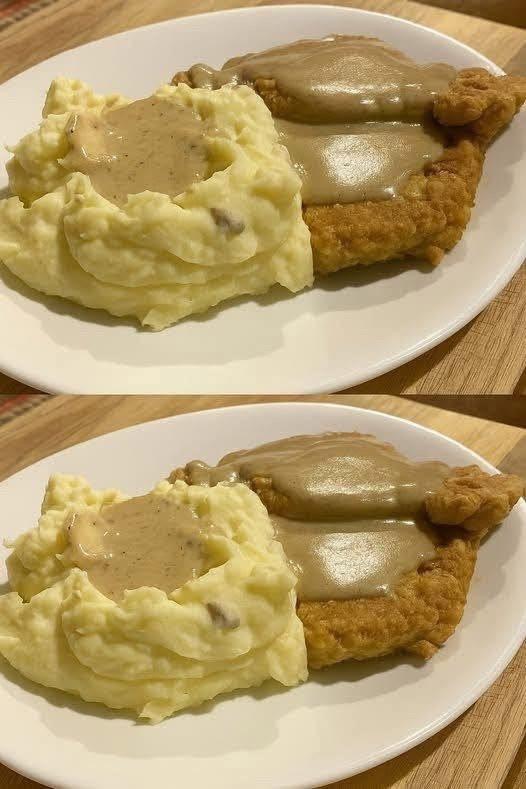
Mashed potatoes are one of the world’s most beloved comfort foods, served alongside everything from holiday roasts to simple weeknight dinners. While many traditional recipes begin by boiling potatoes in water, professional chefs often recommend another technique for achieving richer flavor and a creamier texture. Cooking potatoes with minimal water or by steaming helps preserve their natural starches and flavor, preventing them from becoming waterlogged. The result is light, fluffy, buttery mashed potatoes with an irresistibly smooth consistency.
This guide explains why boiling isn’t always the best option and provides a foolproof method for making restaurant-quality mashed potatoes at home.
History
Mashed potatoes have been enjoyed for centuries. Potatoes originated in the Andes Mountains of South America, where they were cultivated by Indigenous peoples thousands of years ago. After being introduced to Europe during the 16th century, potatoes spread rapidly across the continent and eventually became a staple food worldwide.
Early mashed potato recipes appeared in European cookbooks during the 1700s, often combining cooked potatoes with butter, milk, or cream. Over time, chefs refined their techniques and discovered that gentler cooking methods helped preserve the potatoes’ natural flavor and create a smoother, fluffier mash.
Recipe Information
- Preparation Time: 15 minutes
- Cooking Time: 25–30 minutes
- Total Time: 40–45 minutes
- Servings: 6
- Difficulty: Easy
- Cuisine: International Comfort Food
Ingredients
- 2 pounds (900 g) Yukon Gold or Russet potatoes
- 4 tablespoons unsalted butter
- ½ cup warm whole milk
- ¼ cup warm heavy cream
- 1 teaspoon salt
- ½ teaspoon freshly ground black pepper
- 2 tablespoons sour cream (optional)
- 2 tablespoons chopped fresh chives or parsley (optional)
- 2 cloves roasted garlic, mashed (optional)
Equipment Needed
- Vegetable peeler
- Sharp knife
- Steamer basket or large saucepan with a lid
- Potato ricer or potato masher
- Mixing bowl
- Small saucepan for warming milk and butter
- Wooden spoon or silicone spatula
Why You Shouldn’t Boil Mashed Potatoes
Boiling potatoes in a large amount of water can reduce the quality of the finished mash because:
- Potatoes absorb excess water during cooking.
- Extra moisture can make mashed potatoes watery.
- Some flavor is lost into the cooking water.
- Waterlogged potatoes often require more butter or cream to compensate.
- Overboiled potatoes can become gummy when overmixed.
Steaming or cooking with minimal water helps preserve flavor and produces a richer, fluffier texture.
Best Method: Steaming
Step 1
Peel the potatoes if desired and cut them into evenly sized chunks.
Step 2
Fill a pot with about 1 inch (2.5 cm) of water and place a steamer basket inside. Bring the water to a simmer.
Step 3
Add the potatoes to the steamer basket, cover, and steam for 20–25 minutes, or until a knife slides in easily.
Step 4
Remove the potatoes and let them rest for 2–3 minutes to allow excess surface moisture to evaporate.
Step 5
Warm the butter, milk, and cream together in a small saucepan. Do not boil.
Step 6
Mash or rice the potatoes while they are still hot.
Step 7
Gradually stir in the warm butter and milk mixture until smooth and creamy.
Step 8
Season with salt and pepper.
Step 9
Fold in sour cream, roasted garlic, or herbs if using.
Step 10
Serve immediately with an extra pat of butter on top.
Alternative Method: Minimal-Water Cooking
If you don’t have a steamer:
- Place the potato chunks in a saucepan.
- Add just enough water to barely cover the bottom of the pan (not the potatoes).
- Cover tightly with a lid.
- Cook over medium-low heat until the potatoes are tender, adding a little more water only if needed.
- Mash and finish with the warm dairy mixture as described above.
This method uses much less water than traditional boiling and helps retain more flavor.
Chef’s Tips
- Yukon Gold potatoes create naturally creamy mashed potatoes.
- Russet potatoes produce extra-fluffy mashed potatoes.
- Always use warm milk and butter to keep the potatoes smooth.
- Avoid using a blender or food processor, as they can make potatoes gluey.
- Mash the potatoes while they are hot for the best texture.
- Taste and adjust the seasoning before serving.
Variations
Garlic Mashed Potatoes
Mix in roasted garlic for a sweet, mellow flavor.
Herb Mashed Potatoes
Add chopped rosemary, parsley, thyme, or chives.
Cheesy Mashed Potatoes
Stir in grated Parmesan, cheddar, or Gruyère.
Cream Cheese Mashed Potatoes
Blend in softened cream cheese for extra richness.
Dairy-Free Version
Replace the butter with olive oil or a plant-based butter and use unsweetened oat or almond milk.
Nutritional Benefits
Potatoes are more nutritious than many people realize. They provide:
- Vitamin C
- Vitamin B6
- Potassium
- Dietary fiber (especially if the skins are left on)
- Complex carbohydrates for energy
- Naturally fat-free before adding butter or cream
Steaming can help preserve some water-soluble nutrients better than prolonged boiling, though the exact nutrient retention depends on cooking time and method.
Common Mistakes to Avoid
- Overcooking the potatoes.
- Using cold butter or milk.
- Overmixing after mashing.
- Undersalting.
- Serving immediately after adding cold ingredients.
- Choosing waxy potatoes if you want a fluffy mash.
Serving Suggestions
Mashed potatoes pair beautifully with:
- Roast chicken
- Beef pot roast
- Meatloaf
- Grilled steak
- Roast turkey
- Pork chops
- Mushroom gravy
- Green beans
- Roasted carrots
Storage
- Refrigerate leftovers in an airtight container for up to 4 days.
- Freeze for up to 2 months.
- Reheat gently with a splash of warm milk to restore creaminess.
Frequently Asked Questions
Can I still boil potatoes?
Yes. Boiling is a common and effective method. To reduce water absorption, cook the potatoes just until tender, start them in cold salted water, and drain them thoroughly. Letting them sit briefly after draining helps excess moisture evaporate.
Which potato is best?
Yukon Gold is ideal for creamy mashed potatoes, while Russet potatoes produce a lighter, fluffier texture.
Why warm the milk and butter?
Warm dairy blends more easily into hot potatoes, helping maintain a smooth texture.
Why People Love This Method
Home cooks appreciate this technique because it:
- Preserves more potato flavor.
- Produces a rich, creamy texture.
- Reduces the chance of watery mashed potatoes.
- Uses simple ingredients.
- Works well for everyday meals and special occasions.
- Is easy enough for beginners but delivers impressive results.
Conclusion
While boiling potatoes is a traditional and perfectly acceptable technique, steaming or cooking them with minimal water can help preserve their natural flavor and reduce excess moisture, resulting in exceptionally creamy mashed potatoes. By choosing the right potatoes, warming your dairy, and avoiding overmixing, you can create a side dish that is rich, fluffy, and full of comforting flavor.
For Lovers of Mashed Potatoes
If you enjoy perfectly creamy mashed potatoes, you may also love:
- Garlic Mashed Potatoes
- Loaded Mashed Potatoes
- Duchess Potatoes
- Colcannon (Irish Mashed Potatoes)
- Champ (Irish Potatoes with Scallions)
- Creamy Potato Purée
- Parmesan Mashed Potatoes
- Twice-Baked Potatoes
- Potato Gratin
- Shepherd’s Pie
Whether served for a holiday feast or a cozy family dinner, well-made mashed potatoes remain one of the most comforting and versatile side dishes, proving that thoughtful cooking techniques can make a classic recipe even better.