Introduction
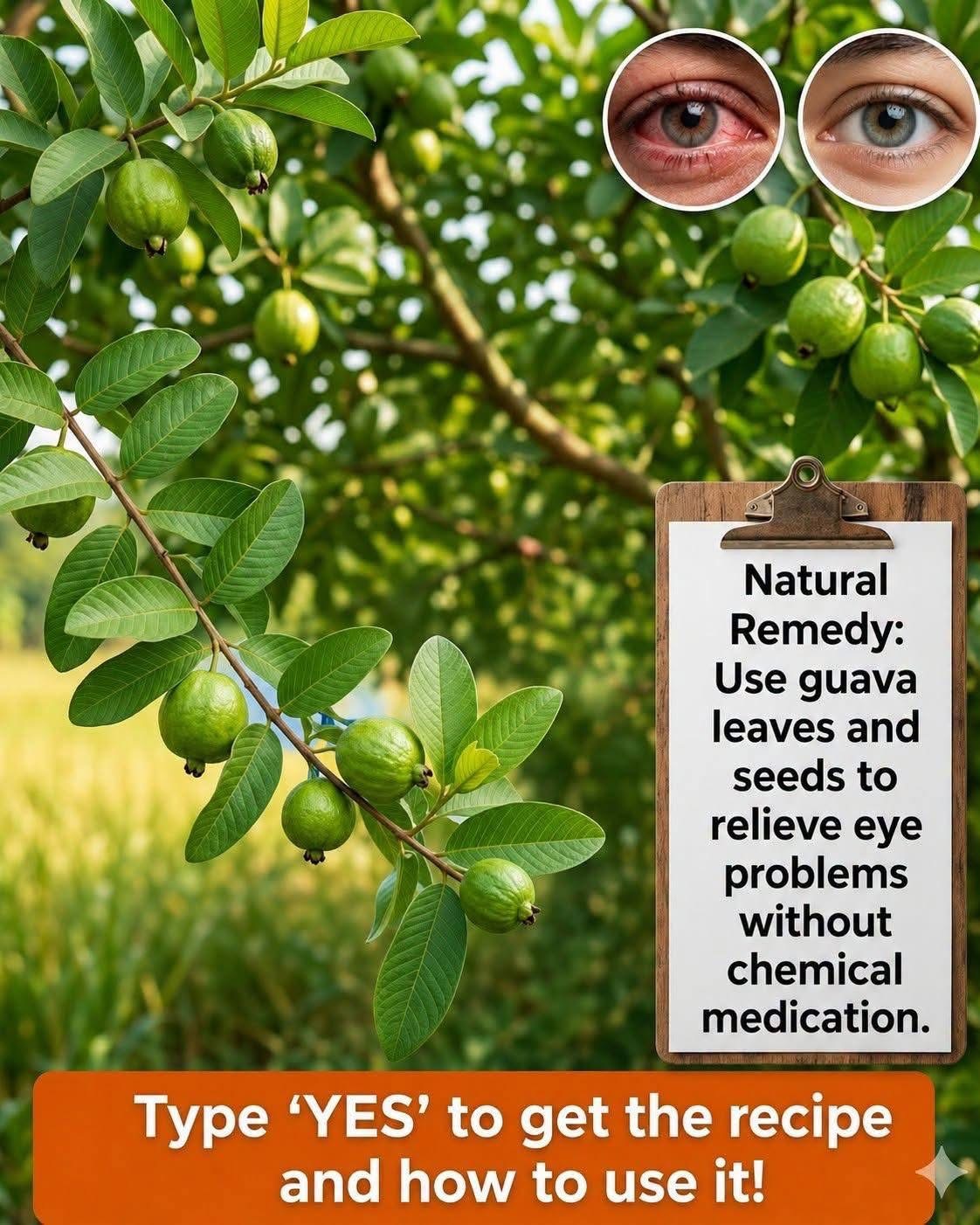
Guava leaves have been used for centuries in traditional herbal practices across many tropical regions. They contain naturally occurring plant compounds, including antioxidants and polyphenols, which have attracted scientific interest. While guava leaf tea is enjoyed as a beverage and has been studied for several potential health effects, there is currently no reliable evidence that it can treat eye diseases, restore vision, or relieve eye pain.
If you enjoy herbal teas and want to explore traditional plant-based beverages, this simple guava leaf tea is easy to prepare and can be part of a balanced lifestyle.
Ingredients
- 10–12 fresh guava leaves (washed thoroughly)
- 3 cups water
- 1 teaspoon honey (optional)
- Fresh lemon slice (optional)
Equipment
- Small saucepan
- Fine strainer
- Teapot or mug
Instructions
Step 1
Rinse the guava leaves well under clean running water.
Step 2
Bring the water to a gentle boil.
Step 3
Add the guava leaves and reduce the heat to a simmer.
Step 4
Simmer for 10–15 minutes.
Step 5
Remove from the heat and allow the tea to steep for an additional 5 minutes.
Step 6
Strain into a mug and add honey or lemon if desired.
Serve warm.
Traditional Uses
In traditional herbal practices, guava leaves have commonly been used as a tea or infusion. Their use varies by culture, and traditional use does not necessarily mean a treatment has been proven effective through scientific research.
History
The guava tree has been cultivated for hundreds of years throughout Central and South America, Asia, Africa, and many tropical regions. Both the fruit and the leaves have long been valued in traditional herbal practices and local cuisines.
Potential Benefits Being Studied
Research has explored guava leaves for their:
- Natural antioxidant compounds
- Polyphenol content
- Flavonoids
- Traditional digestive support
- Potential antimicrobial properties
More high-quality human studies are needed before firm health conclusions can be made.
Important Information About Eye Health
There is no strong scientific evidence that drinking guava leaf tea or applying guava leaves to the eyes can:
- Improve eyesight
- Reverse age-related vision changes
- Treat cataracts
- Treat glaucoma
- Cure eye infections
- Relieve persistent eye pain
If you experience eye pain, sudden vision changes, redness, light sensitivity, or worsening vision, you should seek prompt evaluation from an eye care professional.
Conclusion
Guava leaf tea is a traditional herbal beverage that many people enjoy for its refreshing taste and natural plant compounds. While ongoing research continues to explore its potential health properties, it should not be considered a substitute for professional medical care or proven treatments for eye conditions. A healthy diet, regular eye examinations, adequate sleep, and protecting your eyes from excessive screen time and ultraviolet light remain among the best ways to support long-term eye health.
For Herbal Tea Lovers
If you enjoy exploring traditional herbal beverages, guava leaf tea is a simple and pleasant option to add to your collection. Enjoy it as part of a balanced lifestyle while relying on evidence-based care for your vision and overall health.