Introduction
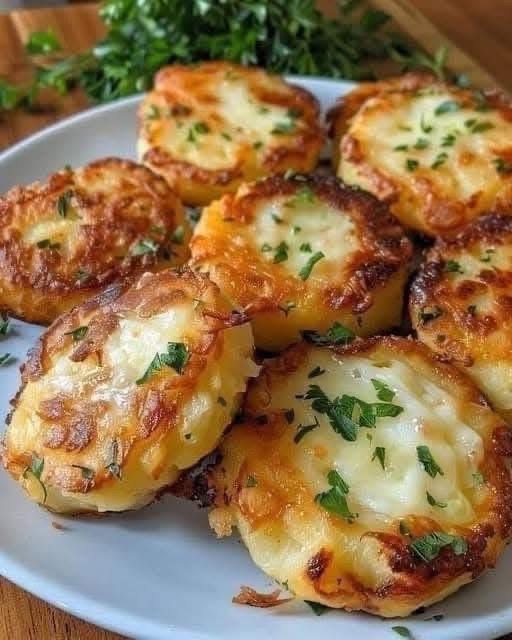
Rondelles are thin, round slices of vegetables—most commonly zucchini—prepared and cooked in a way that highlights their natural sweetness while giving them a crispy golden exterior. In culinary terms, “rondelles” simply means “round slices,” but in cooking tradition, it usually refers to pan-fried or lightly breaded vegetable rounds.
This dish is loved in Mediterranean and European kitchens because it transforms a simple vegetable into something crunchy, savory, and satisfying. The inside stays soft and juicy, while the outside becomes golden and crisp.
Rondelles are versatile: they can be served as appetizers, side dishes, snacks, or even part of a main vegetarian plate.
Ingredients
Main Ingredients
- 2–3 medium zucchini (or eggplant if preferred)
- 1 cup flour (all-purpose or chickpea flour)
- 2 eggs
- 1 cup breadcrumbs (Panko recommended for extra crunch)
- ½ cup grated Parmesan cheese (optional)
- 1 tsp salt
- ½ tsp black pepper
- ½ tsp garlic powder
- ½ tsp paprika (optional)
- Olive oil or sunflower oil for frying
Optional Additions
- Fresh herbs (parsley, basil, thyme)
- Lemon zest
- Chili flakes
- Yogurt or tomato dip for serving
Methods & Instructions
Step 1: Preparation of Rondelles
Wash vegetables thoroughly. Slice into even round pieces about 5–7 mm thick. Uniform slicing ensures even cooking and proper texture balance.
Optional step: sprinkle salt over slices and let sit for 10 minutes to remove excess moisture. Pat dry before cooking.
Step 2: Preparing Coating Stations
Set up three bowls:
- Flour mixed with salt, pepper, garlic powder, paprika
- Beaten eggs
- Breadcrumbs mixed with Parmesan cheese and herbs
Step 3: Coating the Rondelles
Take each slice and coat in this order:
- First: flour (light dusting)
- Second: egg wash
- Third: breadcrumb mixture (press gently to stick well)
Place coated slices on a tray.
Step 4: Frying Process
Heat oil in a pan over medium heat.
Once hot:
- Add rondelles in a single layer
- Avoid overcrowding
- Cook 2–3 minutes per side until golden brown
Remove and place on paper towels to drain excess oil.
Step 5: Serving Method
Serve hot for best crispiness. Add a pinch of salt, fresh herbs, or lemon juice. Pair with dips like garlic yogurt, marinara, or spicy sauce.
History of Rondelles
The concept of “rondelles” comes from French culinary terminology, where slicing vegetables into rounds is a basic preparation method. This technique became popular in European kitchens during the rise of rustic and farmhouse cooking.
In Mediterranean countries, especially Italy and Greece, frying vegetables in olive oil became a traditional method for preserving seasonal produce and enhancing flavor.
Over time, rondelles evolved from a simple slicing method into a full dish—often breaded, fried, or baked—celebrated in modern vegetarian cuisine.
Benefits
Nutritional Benefits
- Rich in vitamins (especially vitamin C and B6)
- Low-calorie and weight-friendly
- High water content supports hydration
- Contains antioxidants beneficial for skin and immunity
Culinary Benefits
- Quick preparation and cooking time
- Minimal ingredients required
- Easily customizable with spices and coatings
- Works as snack, appetizer, or side dish
Lifestyle Benefits
- Encourages healthy vegetable intake
- Budget-friendly meal option
- Suitable for vegetarian diets
- Comfort food without heaviness
Formation (Cooking Science)
The structure of rondelles depends on layering and heat interaction:
- Flour layer → removes surface moisture and helps adhesion
- Egg layer → binds coating to vegetable
- Breadcrumb layer → creates crunch and texture
When exposed to hot oil:
- Water inside the zucchini turns into steam, keeping the center soft
- Outer coating dehydrates and crisps
- Maillard reaction creates golden color and deep flavor
This contrast of textures is the signature of perfect rondelles.
Conclusion
Rondelles are proof that simple ingredients can become extraordinary with the right technique. A basic vegetable slice transforms into a crispy, golden, flavorful bite that feels both comforting and elegant.
Whether served at family dinners or as a party appetizer, rondelles bring balance—soft inside, crisp outside, and rich in flavor without being heavy.
Lovers (Who Enjoy This Dish)
Rondelles are especially loved by:
- Vegetarians looking for satisfying crispy dishes
- Mediterranean cuisine lovers
- People who enjoy light appetizers
- Fans of crunchy textures and fried foods
- Home cooks who prefer quick, simple recipes
They are often enjoyed alongside dips, shared at gatherings, or served as part of mezze-style meals.
Methods (Variation Techniques)
- Oven-baked method: Bake at 200°C for a healthier version
- Air-fried method: Crisp texture with minimal oil
- Spicy method: Add chili flakes or cayenne to coating
- Cheesy method: Mix extra Parmesan or mozzarella into breadcrumbs
- Herbal method: Add oregano, basil, or thyme for aroma
Conclusion (Final Thought)
Rondelles remain one of the most adaptable vegetable dishes in world cuisine. They balance simplicity with flavor, and tradition with modern cooking styles. Whether pan-fried, baked, or air-fried, they always deliver a satisfying crunch and comforting taste.
Lovers (Final Appreciation)
People who love rondelles often love:
- Crispy textures
- Fresh vegetables
- Mediterranean-style cooking
- Simple homemade comfort food
- Sharing plates with dips and sauces
Rondelles are not just food—they are a shared experience around the table, enjoyed by all who appreciate humble ingredients turned into something special.