Introduction
The Three-Ingredient Depression-Era Cornmeal Breakfast is a simple, nourishing dish born from necessity during one of the most challenging periods in modern history. During the Great Depression of the 1930s, families often had limited access to food and money. Home cooks relied on inexpensive pantry staples that could feed several people while providing energy for a long day of work.
This cornmeal breakfast represents the ingenuity of those times. With only three basic ingredients—cornmeal, water, and salt—families could create a warm, comforting meal that was both filling and satisfying. Today, many people enjoy this recipe not only for its history but also for its simplicity, affordability, and rustic flavor.
History of the Recipe
During the Great Depression, unemployment rates soared, and many households struggled to afford food. Cornmeal became a staple ingredient because it was inexpensive, readily available, and versatile. Families used it to make mush, porridge, breads, and cakes.
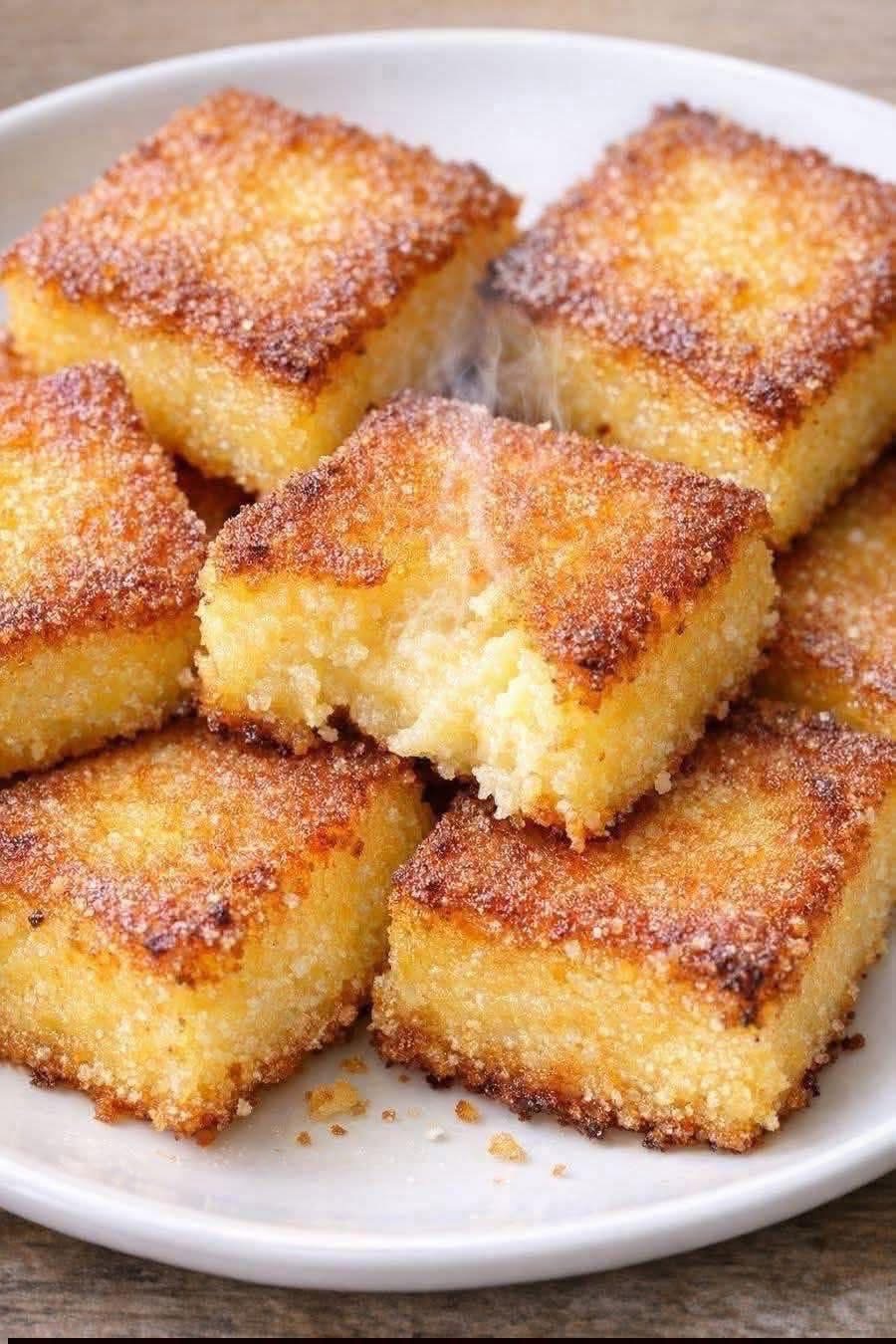
This breakfast dish, often called “cornmeal mush,” was common across rural America. It could be served hot with milk, butter, syrup, or sugar when available. Leftovers were often cooled, sliced, and fried the next day, ensuring that nothing went to waste.
The recipe symbolizes resilience, resourcefulness, and the ability to create comfort from very little.
Ingredients
Serves 4
- 1 cup cornmeal
- 4 cups water
- 1 teaspoon salt
These three ingredients form the traditional recipe.
Equipment Needed
- Medium saucepan
- Wooden spoon or whisk
- Measuring cups
- Serving bowls
Preparation Time
| Activity | Time |
|---|---|
| Preparation | 5 minutes |
| Cooking | 20 minutes |
| Total | 25 minutes |
Method 1: Traditional Stove-Top Cornmeal Mush
Step 1: Boil the Water
Pour 4 cups of water into a medium saucepan.
Add the salt and bring the mixture to a gentle boil over medium-high heat.
Step 2: Add the Cornmeal
Reduce the heat to medium-low.
Slowly sprinkle the cornmeal into the boiling water while whisking continuously.
This prevents lumps from forming and creates a smoother texture.
Step 3: Cook Slowly
Continue stirring frequently for 15–20 minutes.
The mixture will gradually thicken into a creamy porridge consistency.
Step 4: Serve
Remove from heat and serve immediately while hot.
Method 2: Fried Cornmeal Breakfast
Many Depression-era families transformed leftovers into a second meal.
Step 1
Pour leftover cooked cornmeal mush into a loaf pan.
Step 2
Allow it to cool completely and refrigerate until firm.
Step 3
Slice into pieces about ½ inch thick.
Step 4
Cook slices in a lightly greased skillet until golden brown on both sides.
Step 5
Serve warm.
Texture and Flavor Profile
This breakfast offers:
- Mild corn flavor
- Creamy texture when fresh
- Crispy exterior when fried
- Warm and comforting character
- Hearty and filling consistency
The simplicity allows the natural sweetness of corn to shine.
Nutritional Benefits
1. Affordable Nutrition
Cornmeal provides essential calories and energy at a very low cost.
2. Naturally Gluten-Free
Pure cornmeal contains no gluten, making it suitable for many dietary needs.
3. Good Source of Carbohydrates
Provides sustained energy throughout the morning.
4. Contains Fiber
Whole-grain cornmeal offers dietary fiber that supports digestion.
5. Low in Fat
The traditional recipe contains virtually no added fat.
Formation of the Dish
The formation of this breakfast follows a simple culinary process:
- Water acts as the cooking medium.
- Salt enhances flavor.
- Cornmeal absorbs water during heating.
- Starch granules swell and gelatinize.
- The mixture thickens into a porridge-like consistency.
- Cooling transforms it into a sliceable loaf.
- Frying creates a crisp outer crust while preserving a tender interior.
This transformation demonstrates how a few ingredients can produce multiple textures and serving styles.
Serving Suggestions
While the original recipe uses only three ingredients, modern cooks often enjoy it with:
- Butter
- Honey
- Maple syrup
- Milk
- Fresh berries
- Cinnamon
- Brown sugar
- Jam
For savory versions:
- Fried eggs
- Cheese
- Sausage
- Bacon
- Herbs
Why People Love This Recipe
Budget-Friendly
It costs very little to prepare.
Easy to Make
Perfect for beginners and experienced cooks alike.
Historical Connection
Many enjoy recreating recipes from earlier generations.
Comfort Food Appeal
Warm, simple foods often bring feelings of comfort and nostalgia.
Versatility
Can be served sweet or savory.
Lovers of This Classic Dish
This humble breakfast is especially loved by:
- Fans of traditional American cooking
- History enthusiasts
- Budget-conscious families
- Homesteaders
- Rural cooking enthusiasts
- Comfort-food lovers
- Minimalist cooks
- People seeking simple recipes
Many families pass similar cornmeal recipes down through generations, preserving both flavor and history.
Additional Cooking Methods
Slow Cooker Method
Combine ingredients in a slow cooker and cook on low for 3–4 hours, stirring occasionally.
Oven-Baked Method
Prepare the mixture on the stove and finish in a lightly greased baking dish until set.
Campfire Method
Cook in a cast-iron pot over gentle heat, stirring regularly to avoid scorching.
Tips for Success
- Stir continuously when adding cornmeal.
- Use medium or coarse-ground cornmeal for authentic texture.
- Cook slowly for the best flavor.
- Add extra water if the mixture becomes too thick.
- Serve immediately for maximum creaminess.
Conclusion
The Three-Ingredient Depression-Era Cornmeal Breakfast stands as a reminder that delicious food does not require expensive ingredients or complicated techniques. Created during difficult economic times, this humble dish transformed simple pantry staples into a warm and nourishing meal. Its rich history, affordability, versatility, and comforting taste continue to attract new generations of cooks. Whether enjoyed as creamy cornmeal mush or crispy fried slices, this classic recipe proves that simplicity often creates the most enduring culinary traditions.