📖 Introduction
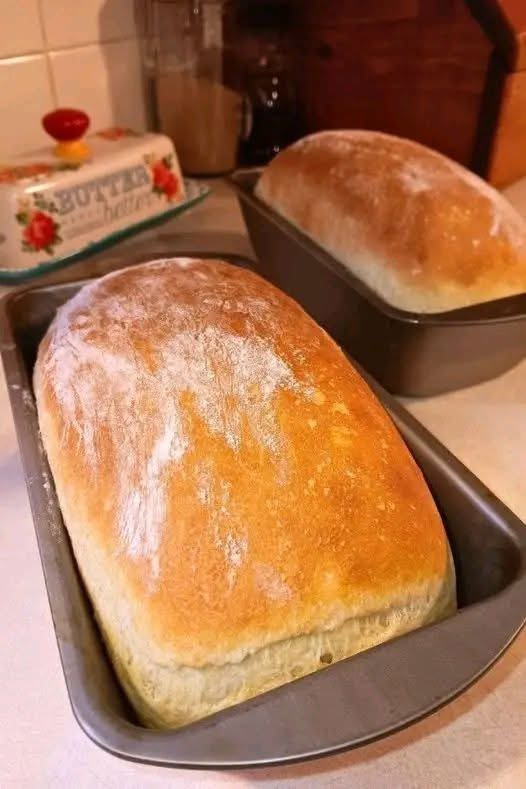
If you’re looking for the easiest, cheapest, and most reliable homemade bread recipe, this no-knead bread is the perfect choice. With just a few basic pantry ingredients, you can create a soft loaf with a golden crust and fluffy interior. There are no eggs, no butter, and no complicated techniques involved. Simply mix, let it rise, and bake!
This recipe has become a favorite among home bakers because it saves money, requires minimal effort, and delivers bakery-style results every time.
🧾 Ingredients
For the Bread
- 3 cups (375 g) all-purpose flour
- 1½ teaspoons salt
- 1 teaspoon sugar
- 1 teaspoon instant dry yeast
- 1¼ cups (300 ml) warm water
Optional Toppings
- Sesame seeds
- Oats
- Sunflower seeds
- Poppy seeds
👨🍳 Instructions
Step 1: Mix the Dough
- In a large bowl, combine flour, salt, sugar, and yeast.
- Pour in the warm water.
- Stir with a spoon until a sticky dough forms.
- Cover the bowl with a clean towel or plastic wrap.
Step 2: Let It Rise
- Leave the dough at room temperature.
- Allow it to rise for 1–2 hours, or until doubled in size.
Step 3: Shape the Bread
- Lightly flour a work surface.
- Transfer the dough and gently shape it into a round loaf.
- Place it on a parchment-lined baking tray.
Step 4: Second Rise
- Cover loosely.
- Let the dough rest for 20–30 minutes.
Step 5: Bake
- Preheat the oven to 220°C (425°F).
- Make a few shallow cuts on top.
- Bake for 30–35 minutes until golden brown.
- Cool on a wire rack before slicing.
🔥 Methods
No-Knead Method
Instead of kneading, time does the work. The dough develops structure naturally during fermentation.
Slow Fermentation
As the yeast works, it creates flavor and air pockets, resulting in a light and airy texture.
High-Heat Baking
A hot oven creates a crisp crust while keeping the inside soft and moist.
📜 History
Bread is one of the oldest prepared foods in human history, dating back more than 10,000 years. Traditional bread-making often involved long kneading sessions, but modern no-knead techniques gained popularity for their simplicity. Home bakers discovered that allowing dough to ferment longer could produce excellent bread with far less effort.
Today, no-knead bread is loved worldwide for its convenience and consistent results.
💪 Benefits
- Budget-friendly
- No eggs required
- No butter required
- Beginner-friendly
- Minimal preparation time
- Homemade freshness
- Can be customized with herbs, seeds, or whole grains
- Fewer additives than many store-bought breads
🧬 Formation (The Science Behind the Bread)
During fermentation:
- Yeast consumes sugars and produces carbon dioxide.
- The gas creates air pockets inside the dough.
- Gluten develops naturally over time.
- Heat from the oven expands trapped gases.
- The crust forms through browning reactions that create aroma and flavor.
The result is a loaf with a crispy crust and a soft, fluffy center.
❤️ Lovers of This Recipe
This bread is loved by:
- Busy families
- Beginner bakers
- Budget-conscious cooks
- People avoiding eggs
- Homemade bread enthusiasts
- Students and first-time cooks
- Anyone who enjoys fresh bread without complicated techniques
🍽️ Serving Suggestions
Enjoy this bread with:
- Butter alternatives
- Jam or honey
- Soups and stews
- Sandwiches
- Cheese spreads
- Olive oil and herbs
🏁 Conclusion
This No-Knead Homemade Bread proves that delicious bread doesn’t have to be expensive or difficult. With only a few ingredients and almost no hands-on work, you can enjoy a fresh loaf whenever you want. Once you discover how simple and satisfying homemade bread can be, you may never want to buy bread from the store again.